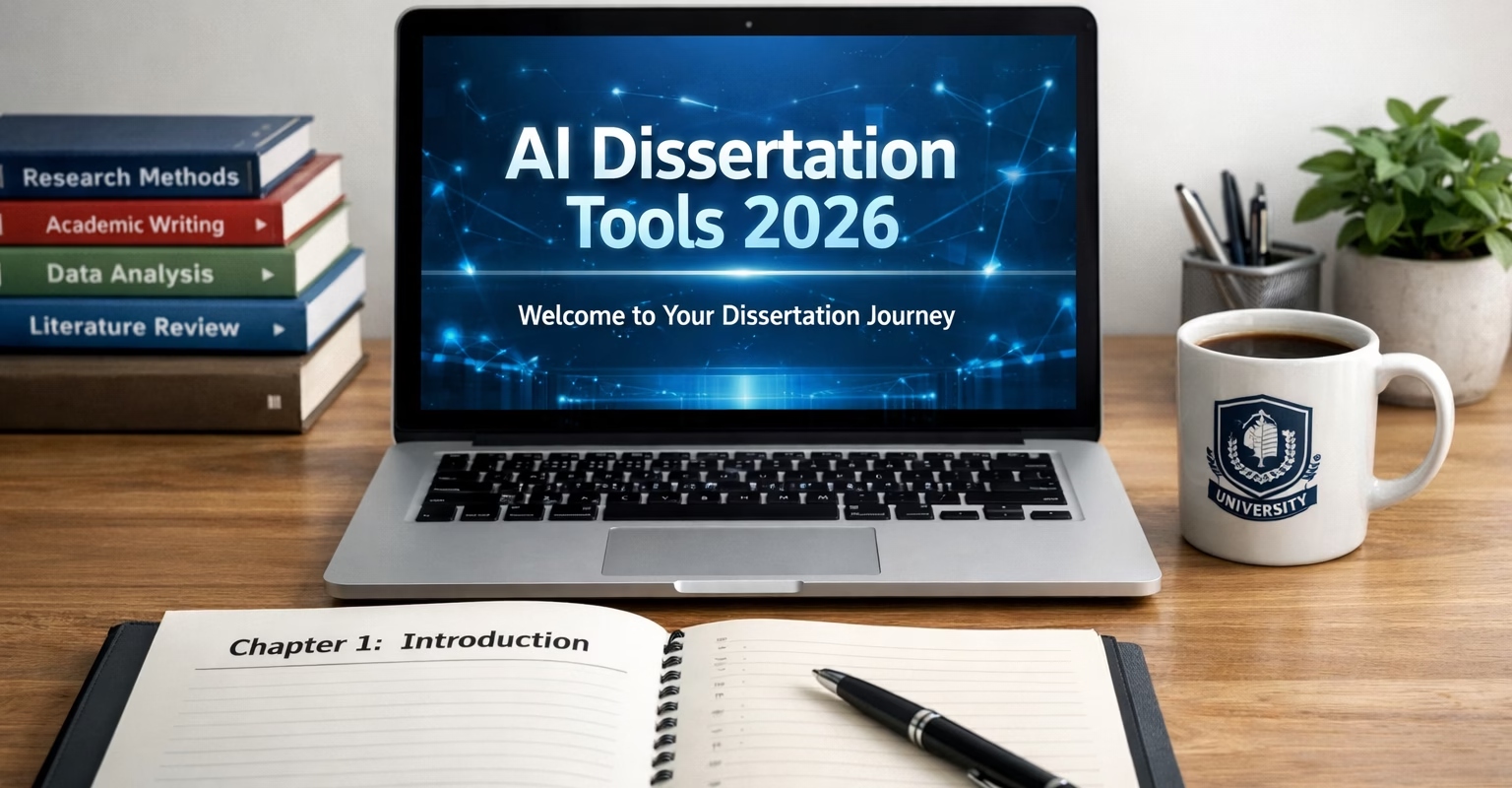
Looking for AI tools for dissertation writing? You found the right guide. This article shows you the best software for 2026. We cover tools for literature reviews. We cover tools for methodology sections. We cover free options for students. Find your perfect writing assistant today.
Why AI Tools for Dissertation Writing Matter in 2026
AI tools for dissertation writing help every PhD student today. Universities expect you to use these tools now. They do not ban AI anymore. They want you to use AI smartly. The right AI tools for dissertation writing save you time. They help you organize thousands of pages. They keep your citations perfect. They give you more time for real analysis.
Every top university supports AI for dissertation writing in 2026. Harvard has guidelines. Oxford provides tools. Stanford offers workshops. Your school likely has similar support. Use our guide to start right.
Top AI Tools for Literature Review Sections
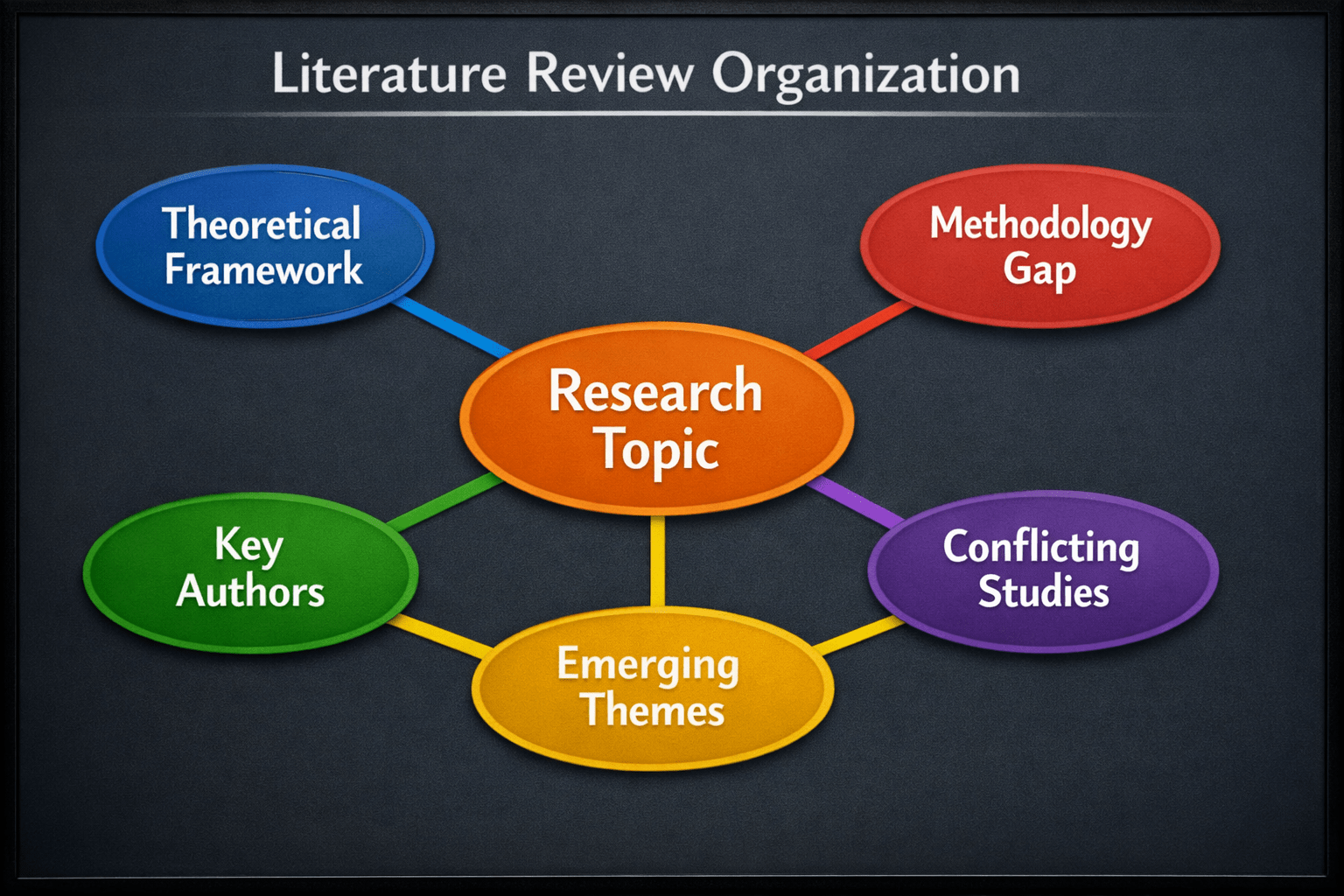
Finding the best AI tools for dissertation writing starts here. Literature reviews need special attention. You must read hundreds of papers. You must find connections between them. These tools help.
Jenni.ai manages your citations perfectly. It inserts citations as you type. It formats them in APA or MLA style. It keeps a master reference list. Try Jenni.ai free first.
ChatGPT helps find research gaps. Give it your topic. Ask for emerging themes. Request analysis of conflicting studies. Use it to brainstorm your review structure.
Scite.ai shows how citations get used. It tells if papers support or contrast claims. This reveals true scholarly conversations. It makes your literature review stronger.
NoteBookLM synthesizes multiple sources. Upload ten PDFs. Ask for a summary of key points. Request comparison of methodologies. Get instant analysis of all your readings.
Zotero with AI plugins organizes everything. The free version works great. Add the AI assistant plugin. Get smart suggestions for related papers.
Methodology Chapter AI Writing Tools
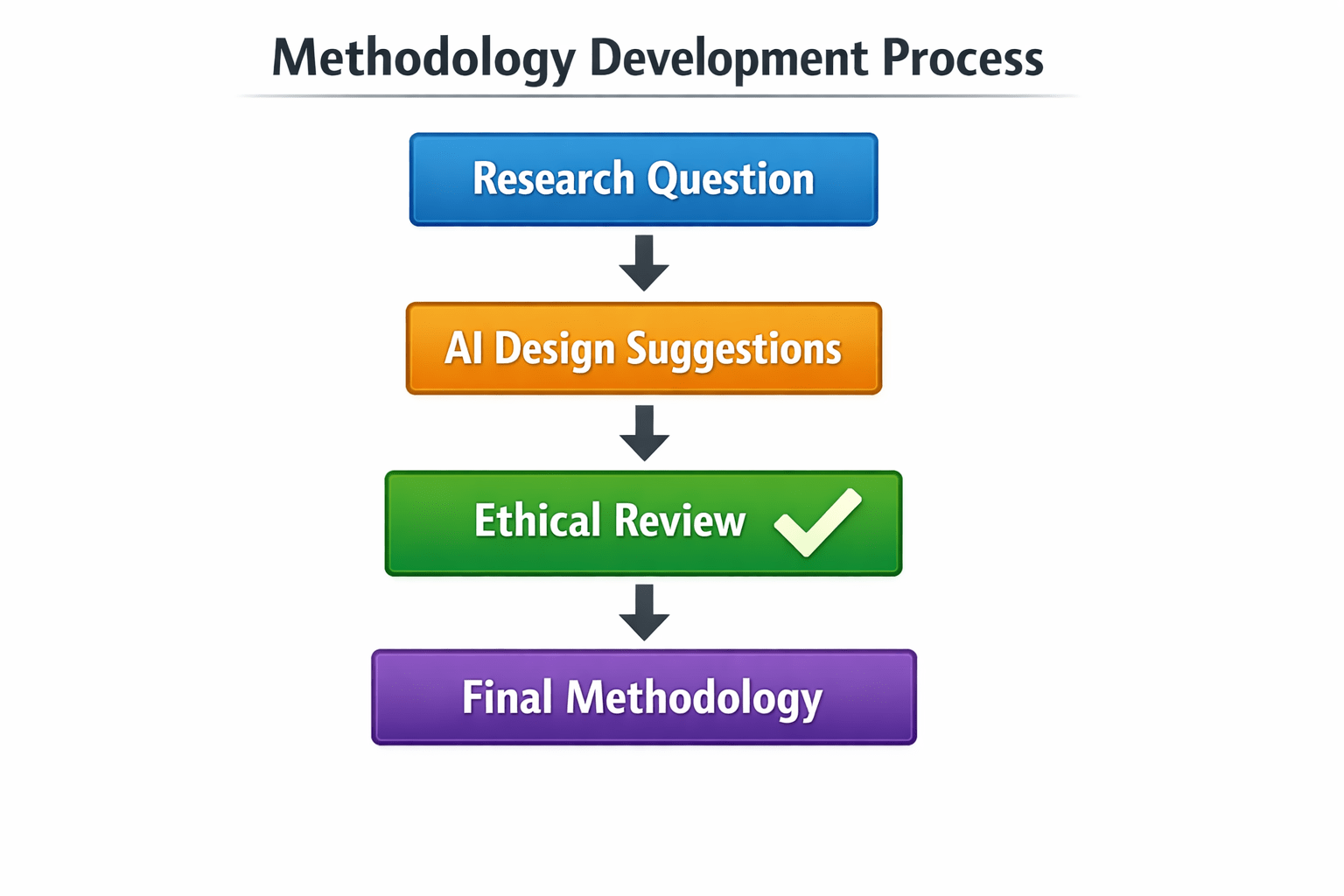
Your dissertation writing AI tools must handle methodology sections. These chapters need precision. They demand clarity. AI helps you achieve both.
Research design tools check your plan. They ask key questions. They suggest improvements. They ensure your methodology matches your questions.
Statistical analysis assistants work with SPSS and R. They help write analysis sections. They explain statistical choices. They format results correctly.
Ethical compliance checkers review your protocol. They highlight potential issues. They suggest consent form language. They ensure IRB approval readiness.
Methodology validators test your approach. They compare it to similar studies. They identify weaknesses early. They recommend stronger designs.
For example, use ChatGPT for methodology help. Prompt: “Critique this dissertation methodology for a psychology study on [topic]. Suggest three improvements.” Get instant feedback.
Free AI Tools for PhD Students
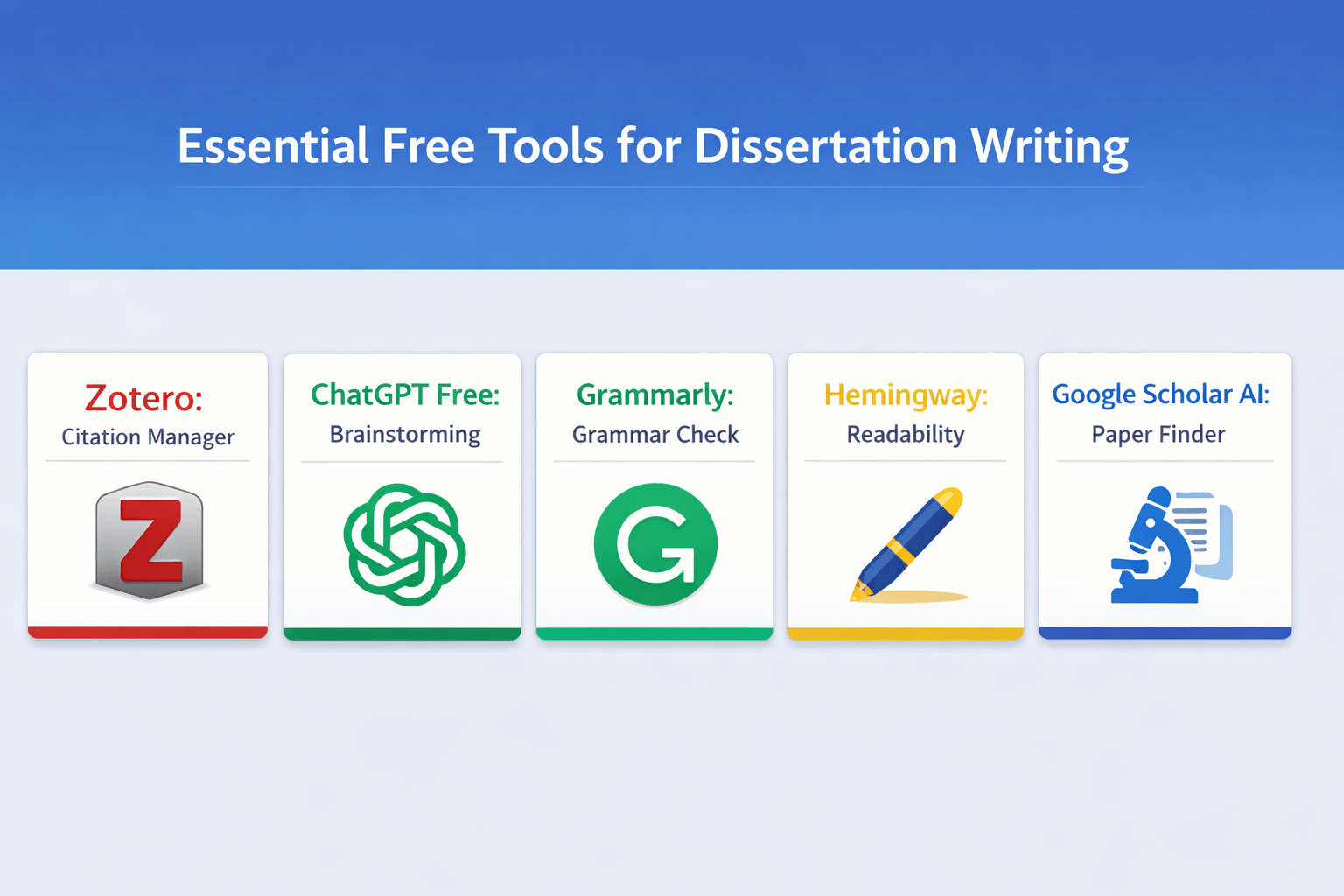
Many free AI tools for dissertation writing exist today. You can write a full dissertation without paying. Here is your free toolkit.
Zotero organizes all your sources for free. The AI plugin adds smart features. It suggests new readings. It formats citations automatically.
ChatGPT Free Tier helps with brainstorming. Use it for outline creation. Use it for paragraph refinement. Use it for idea generation.
Google Scholar now has AI features. It suggests related papers smarter. It highlights key findings. It connects studies thematically.
Grammarly Free checks your grammar. It improves sentence clarity. It catches punctuation errors. It suggests better word choices.
Hemingway Editor makes your writing clear. It highlights complex sentences. It shows passive voice use. It gives readability scores.
Your university may offer more free dissertation writing tools. Check your library website. Ask your dissertation advisor. Email your graduate school office.
Dissertation Writing Workflow with AI
A good dissertation writing workflow with AI follows five phases. Each phase uses different tools. This system keeps you organized.
Phase 1: Proposal Development uses brainstorming AI. ChatGPT helps with research questions. It suggests methodologies. It outlines potential chapters.
Phase 2: Literature Review employs synthesis tools. NoteBookLM analyzes your readings. Scite.ai maps citation networks. Jenni.ai manages your references.
Phase 3: Data Collection applies organization AI. Tools track your participants. Software organizes your results. Apps manage your timeline.
Phase 4: Writing uses drafting assistants. Grammarly improves your prose. Wordtune rephrases awkward sentences. Hemingway ensures clarity.
Phase 5: Formatting utilizes precision tools. Software checks APA compliance. Apps generate tables of contents. Programs verify citation accuracy.
Follow this dissertation writing workflow for best results. Adjust it for your field. Modify it for your timeline. Perfect it for your needs.
Ethical AI Use in Dissertation Writing
Ethical AI use in dissertation writing is crucial in 2026. Follow these rules always.
Get supervisor approval first. Show them the tools you plan to use. Explain how AI will help you. Get their written agreement.
Acknowledge AI tools in your methodology section. Write a “Technology Statement.” List each tool you used. Describe how you used each one.
Understand your university’s official policy. Most schools post dissertation writing guidelines online. Find your school’s AI policy page. Follow every requirement.
Use AI tools as assistants only. Never let AI write entire sections. Always add your original analysis. Always apply your critical thinking.
Keep all your drafts. Save versions before AI help. Save versions after AI help. Show your writing progression clearly.
For more on ethical use, see our guide to best free AI tools for academic research. It covers proper citation methods.
Cost of AI Dissertation Writing Tools
The cost of AI dissertation writing tools varies widely. Plan your budget carefully.
Free tools handle basic needs well. Zotero manages references at no cost. ChatGPT Free helps with ideas. Grammarly Free fixes grammar.
Freemium tools offer limited free use. Jenni.ai allows some free citations. NoteBookLM provides free document uploads. Scite.ai shows some citation contexts free.
Premium tools cost $10-$50 monthly. Jenni.ai Premium costs $20/month. Grammarly Premium costs $12/month. Specialized research tools cost more.
Student discounts reduce prices greatly. Many tools offer 40-60% off for students. Always check for education pricing. Use your .edu email address.
University licenses provide free access. Your school may pay for tools. Ask your librarian about available software. Check your student portal.
Consider time savings in your budget. Good dissertation writing tools save 100+ hours. Calculate your hourly rate as a researcher. The investment often makes sense.
AI Prompts for Dissertation Writing
Use specific AI prompts for dissertation writing. Good prompts get good results.
For introductions: “Write a dissertation introduction about climate change policy. Include three research gaps. Propose four investigation methods.”
For literature reviews: “Analyze these 15 sources about machine learning ethics. Identify five major themes. Show where authors disagree.”
For methodology: “Critique this qualitative research design for education studies. Suggest stronger interview protocols. Recommend better participant recruitment.”
For analysis: “Help interpret these statistical results about healthcare outcomes. Suggest three possible explanations. Recommend further tests.”
For conclusions: “Summarize these key findings about renewable energy. Connect them to broader theory. Propose four future research directions.”
Save your best prompts. Create a prompt library. Share useful prompts with colleagues. Refine prompts over time.
Common Dissertation Writing AI Mistakes
Avoid these dissertation writing mistakes with AI.
Do not let AI tools write critical analysis. Your original thinking matters most. AI cannot understand deep theoretical implications. You must provide scholarly insight.
Always fact-check AI-generated content. AI can invent fake citations. AI can misinterpret data. AI can suggest incorrect methods. Verify everything carefully.
Maintain your original voice in dissertation writing. AI often sounds robotic. AI uses predictable phrasing. Rewrite AI suggestions in your own words. Keep your personal scholarly tone.
Backup all AI-assisted work regularly. Save multiple versions. Use cloud storage. Keep offline copies. Protect years of work.
Do not ignore human feedback. Your advisor knows your field best. Your committee expects your expertise. Use AI to enhance their guidance, not replace it.
FAQs About Dissertation Writing AI Tools
Q: Can AI write my entire dissertation?
A: No, AI tools for dissertation writing should assist only. Your original analysis remains central. Most universities prohibit full AI authorship. Use AI as a smart assistant.
Q: What are the best AI tools for literature reviews?
A: Jenni.ai and NoteBookLM work best for dissertation literature reviews. They manage citations perfectly. They synthesize sources effectively. Try both free versions first.
Q: Are AI tools allowed in PhD programs?
A: Yes, most universities allow AI tools for dissertation writing in 2026. You must follow specific guidelines. You must acknowledge all AI help. Check your program’s policy page.
Q: How do I cite AI assistance?
A: Include a “Statement of AI Use” in your methodology. List each tool you used. Describe how you used each one. Follow your university’s citation format.
Q: Can detectors spot AI-written dissertations?
A: Yes, tools like Turnitin now detect AI writing well. They flag fully AI-generated text. They notice AI-assisted sections. Always write your own core content.
Start Your Dissertation Writing AI Journey
Begin your dissertation writing AI journey today. Follow these steps.
First, select 2-3 AI tools to test. Choose one for references. Choose one for writing. Choose one for organization. Try our recommended tools above.
Second, implement them in your current dissertation writing phase. If you are reviewing literature, start with NoteBookLM. If you are writing chapters, start with Grammarly. If you are formatting, start with Zotero.
Third, track time saved with each tool. Note how many hours each tool saves weekly. Calculate your efficiency gains. Adjust your tool selection based on results.
Fourth, review our complete best AI writing tools 2026 guide. Find more options for your needs. Discover new tools as they emerge.
Finally, remember the golden rule. AI assists your thinking. It does not replace your thinking. Your insights matter most. Your analysis defines your work.
Your perfect dissertation writing toolkit awaits. Start building it today. Write smarter tomorrow. Finish stronger this year.



Leave a Comment
Your email address will not be published. Required fields are marked *
No Comments Yet
Be the first to share your thoughts!