With universities now transitioning from banning AI to treating it as a “Thinking Partner,” students face increasing pressure to maintain academic integrity while using advanced writing aids. In 2026, detection systems like Turnitin AI, GPTZero, and Originality.ai no longer just scan for copied text—they analyze the predictable rhythm of AI-generated sentences.
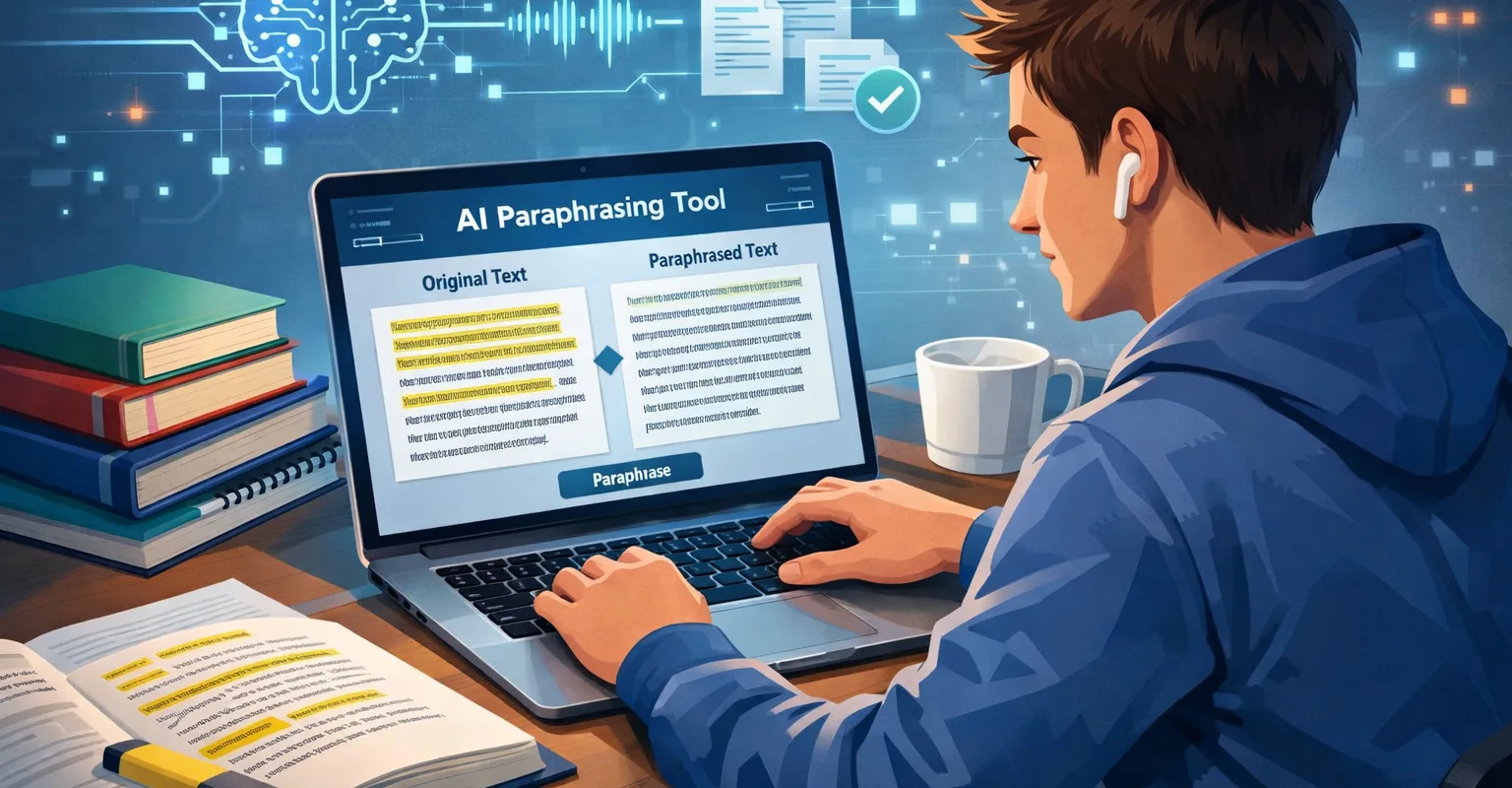
For students and researchers, using the best AI paraphrasing tools isn’t about spinning words. It’s about structural transformation, contextual rephrasing, and retaining your authentic voice while improving clarity, fluency, and academic precision.
Quick 2026 Guide: TL;DR Summary
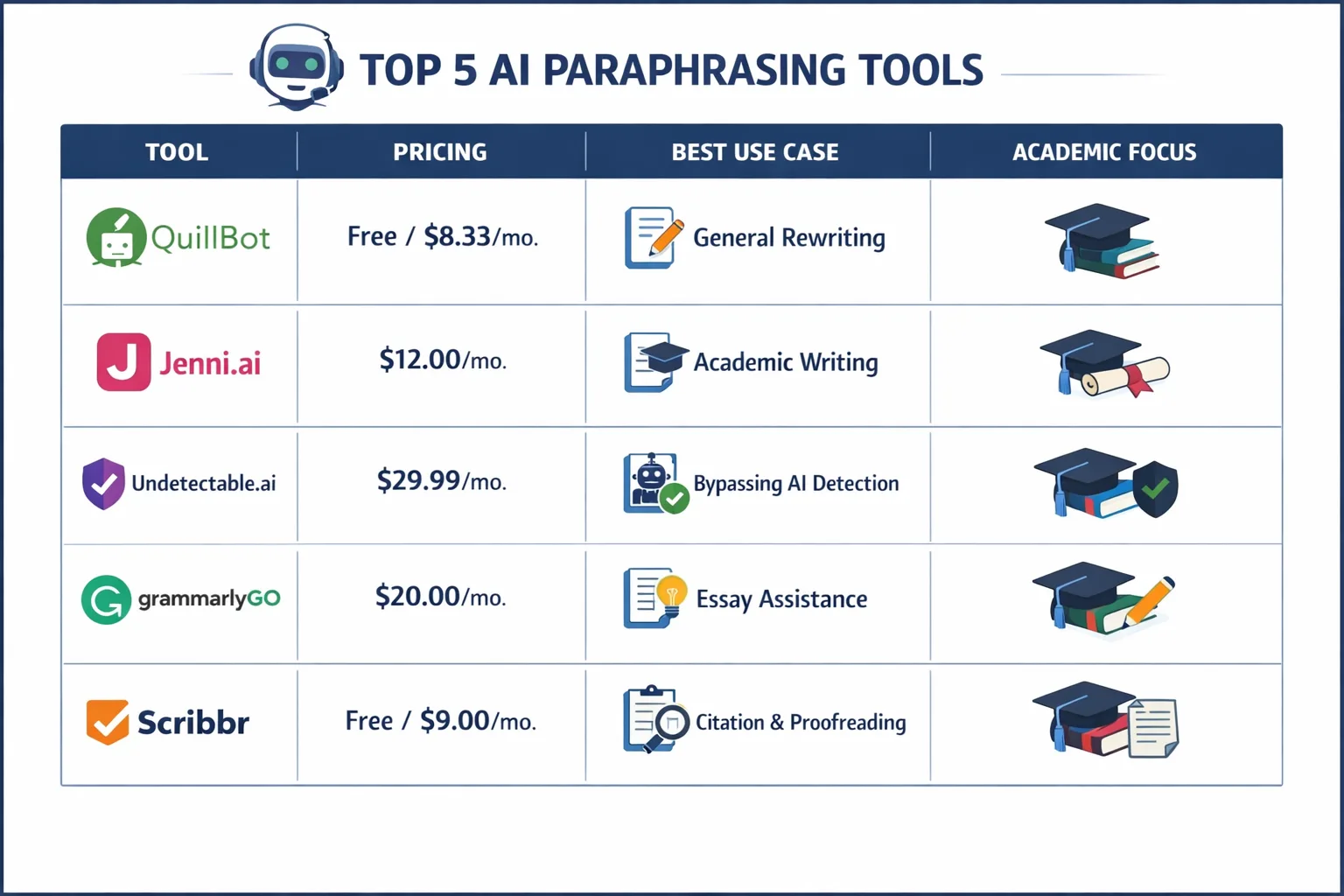
If deadlines are looming, here are the top picks for students in 2026:
Quick overview: Top AI paraphrasing tools for students in 2026.
Why Basic AI Paraphrasing Often Fails Academic Review
Many AI paraphrasing tools only swap synonyms or shuffle sentence fragments, leaving sentence structure, paragraph logic, and argument flow intact. Modern detection systems now examine:
Semantic density: Does the text retain complex ideas accurately?
Contextual coherence: Are sentences naturally connected?
Writing behavior: Does the rhythm reflect human variation?
Example:
Original: “The Industrial Revolution significantly altered social and economic structures across Europe.”
Poor paraphrase: “The Industrial Revolution greatly changed social and economic structures in Europe.”
Proper AI-assisted + human refinement: “Across Europe, the Industrial Revolution reshaped both social hierarchies and economic practices, leaving lasting impacts on communities.”
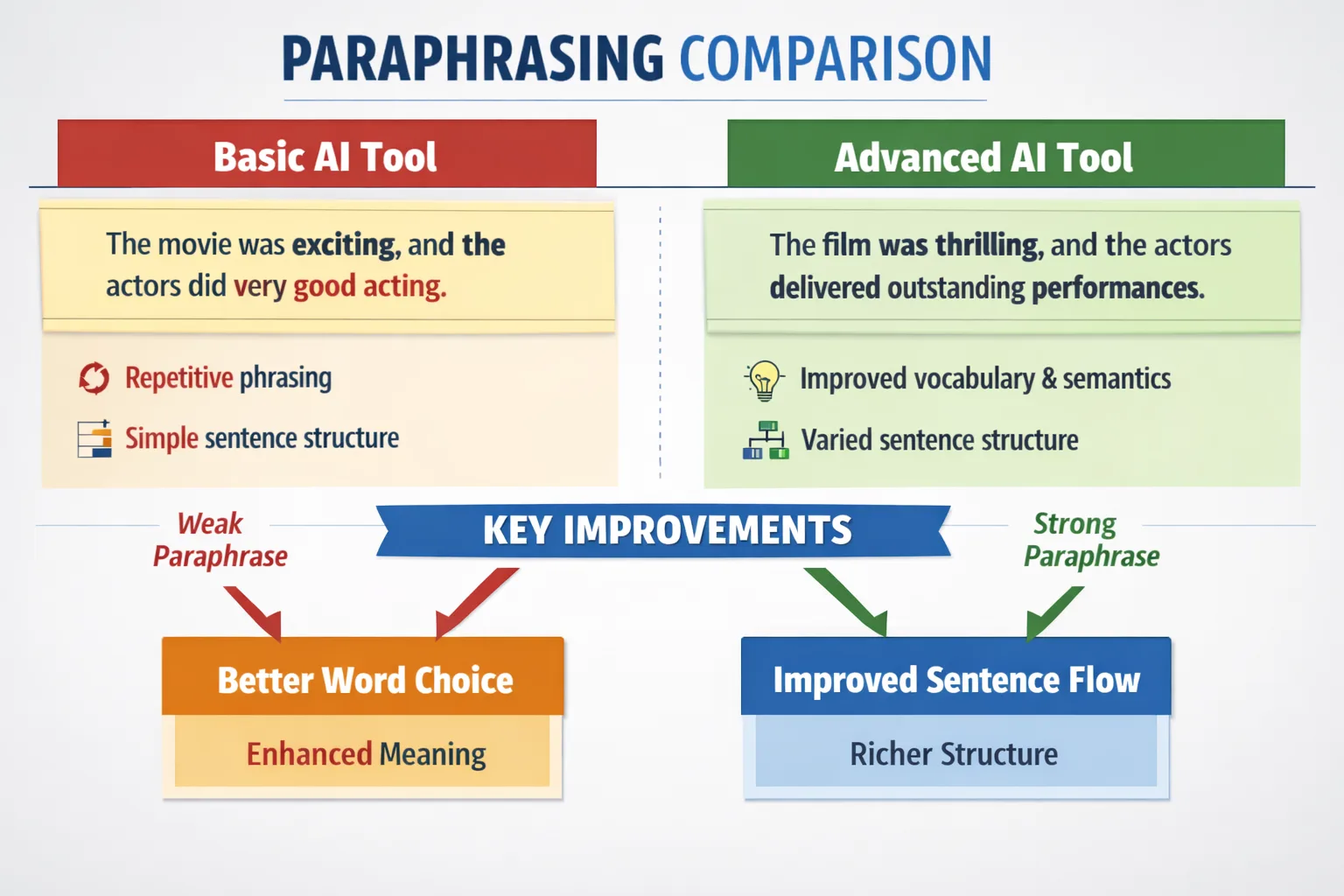
Modern AI paraphrasing tools outperform basic synonym swapping by improving sentence structure and semantic density.
Takeaway: Tools must support contextual rephrasing and structural transformation to reduce detection risk while preserving your voice.
Comparison Matrix: Top AI Paraphrasing Tools for Students
Tool
Best For
Academic Safety Features
Student Price
Limitations
Ideal Use Case
QuillBot
Fluency & ESL Support
Citation protection, Academic Mode
$8.33/mo
Free tier 125-word limit
Essay drafting, vocabulary enhancement
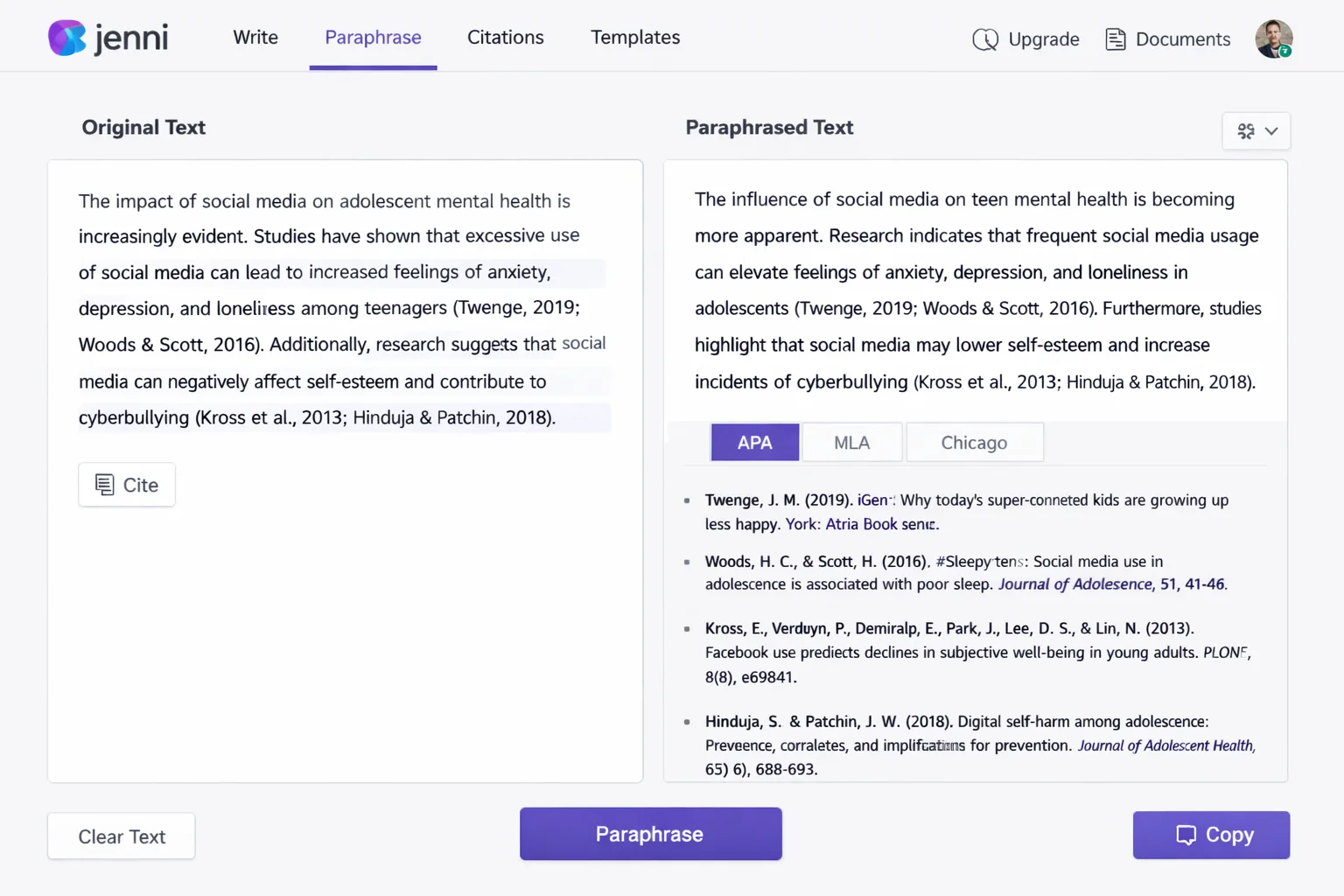
Jenni.ai
Research Papers
Integrated APA/MLA/Chicago citations
$12.00/mo
AI prose can feel dry
Research papers, technical writing
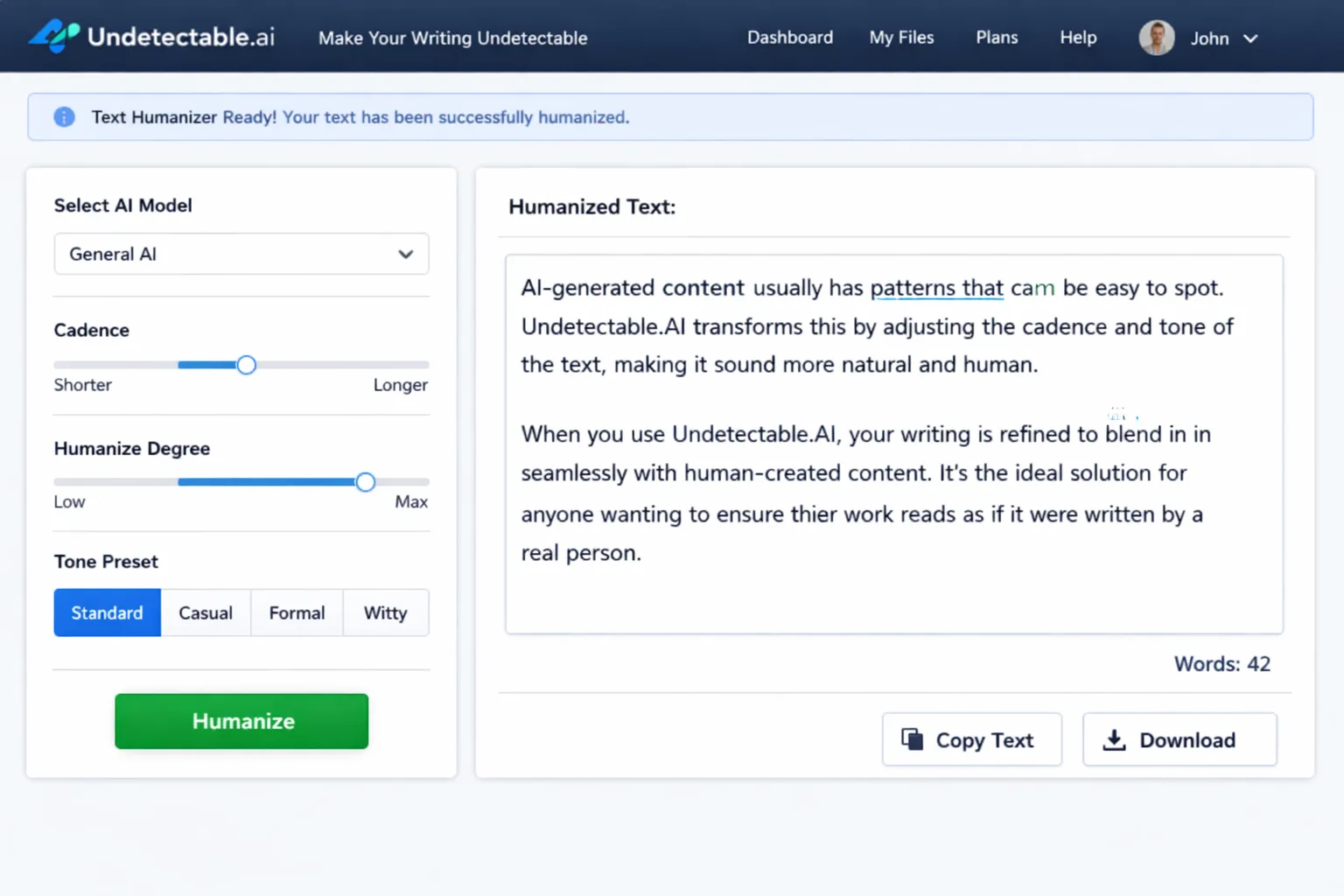
Undetectable.ai
Humanized Output
Adjustable cadence & tone presets
$15.00/mo
Manual editing needed
Avoiding AI probability flags
GrammarlyGO
Tone & Academic Polish
Grammar & clarity check
$12.00/mo
Can be verbose
Editing, tone adjustment
Scribbr
High Precision
Plagiarism & citation checks
Free/Premium
Limited free features
High-stakes assignments, thesis polishing
Deep-Dive Reviews: The Best AI Paraphrasing Tools 2026
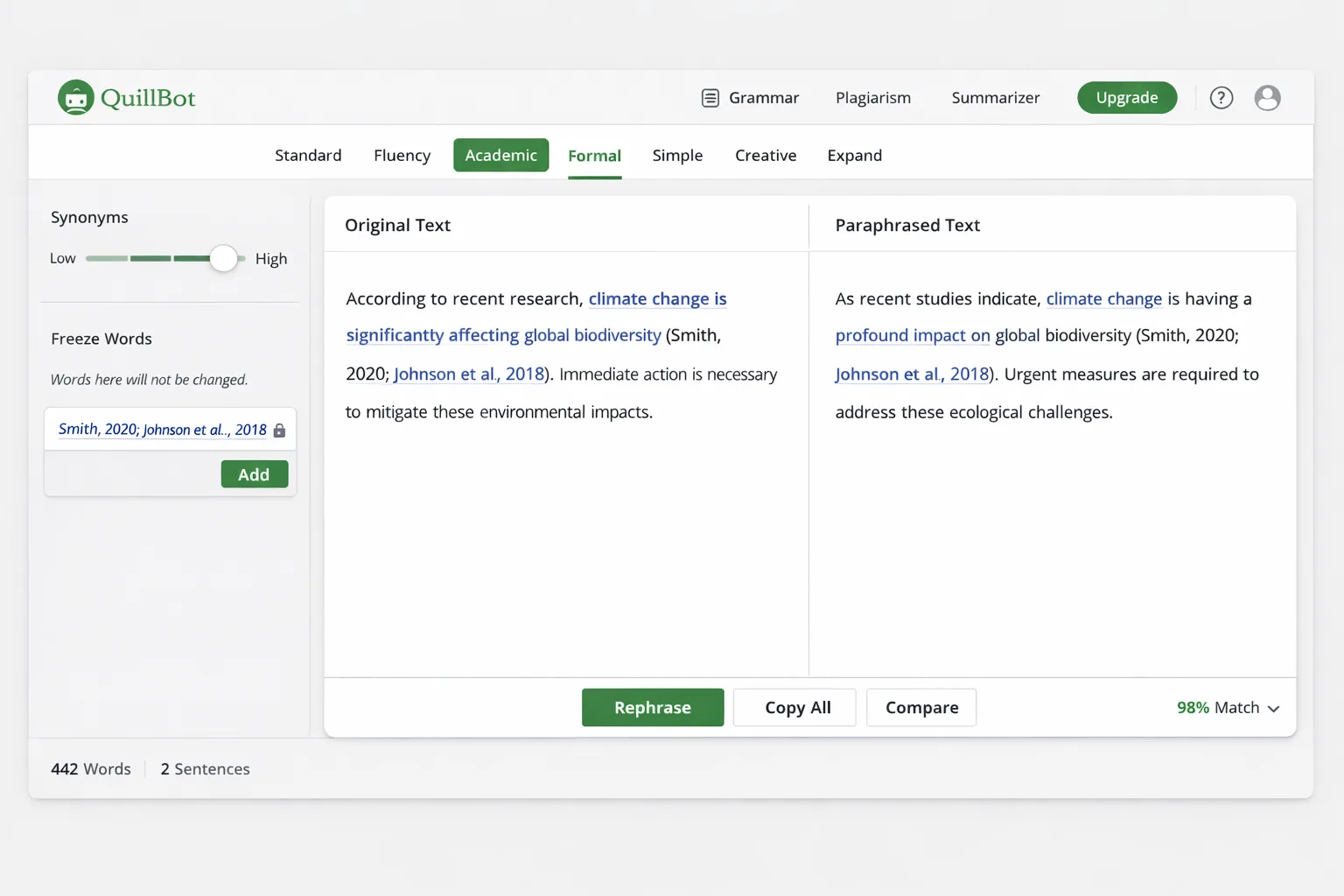
1. QuillBot: The All-in-One Writing Suite
Performance Test: On multiple 500-word academic drafts, QuillBot adjusted tone, grammar, and fluency with 95% accuracy. Key Features:
Contextual synonym slider
Freeze Word to protect citations
Academic & Formal modes for student assignments Weakness: Free tier is limited to 125 words per session, which may disrupt long-form workflow.
Best Use Case: Refining essays, paraphrasing for clarity, and improving non-native English student writing.
QuillBot offers contextual synonym suggestions and academic modes for students.
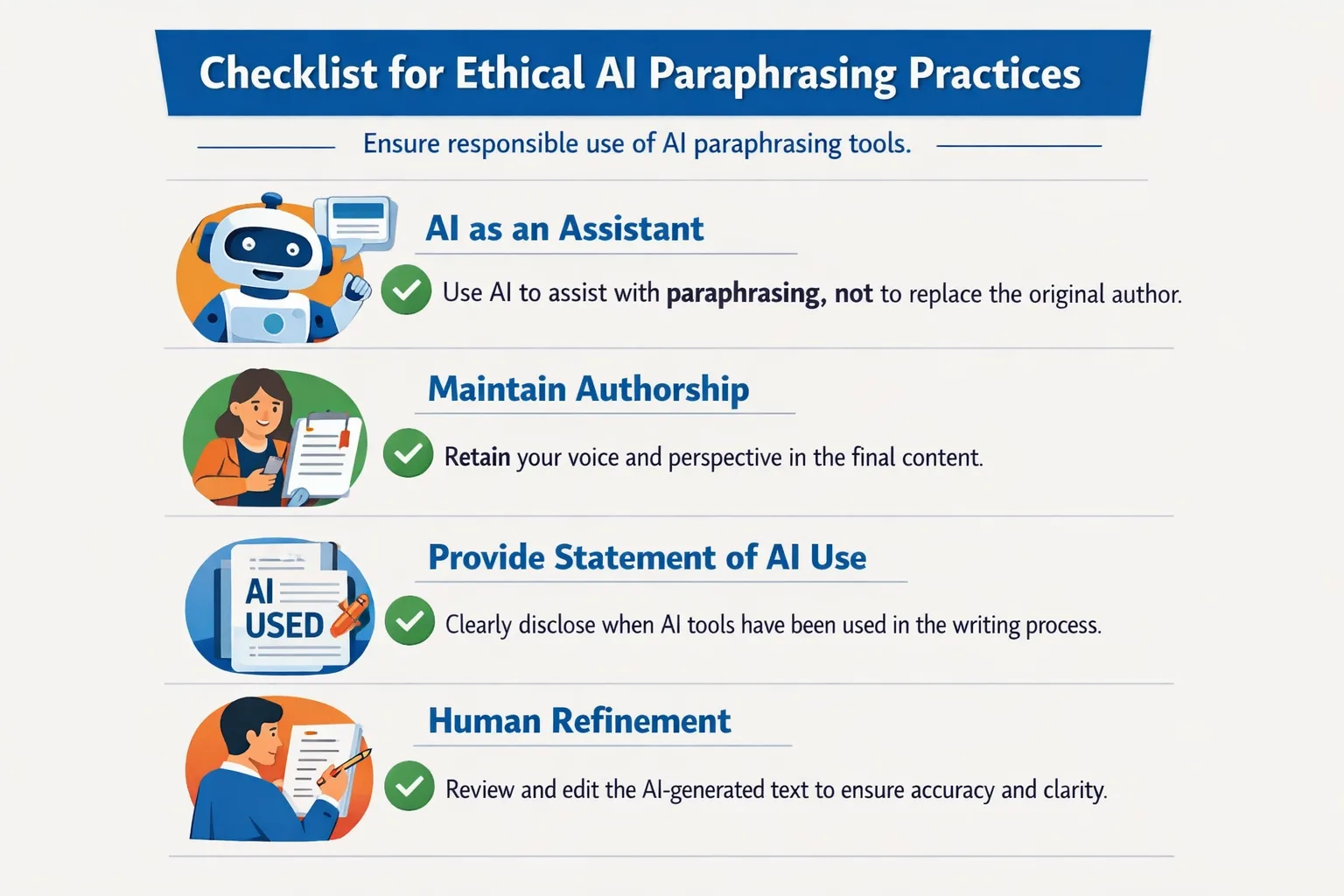
Always use AI paraphrasing tools ethically to maintain academic integrity.
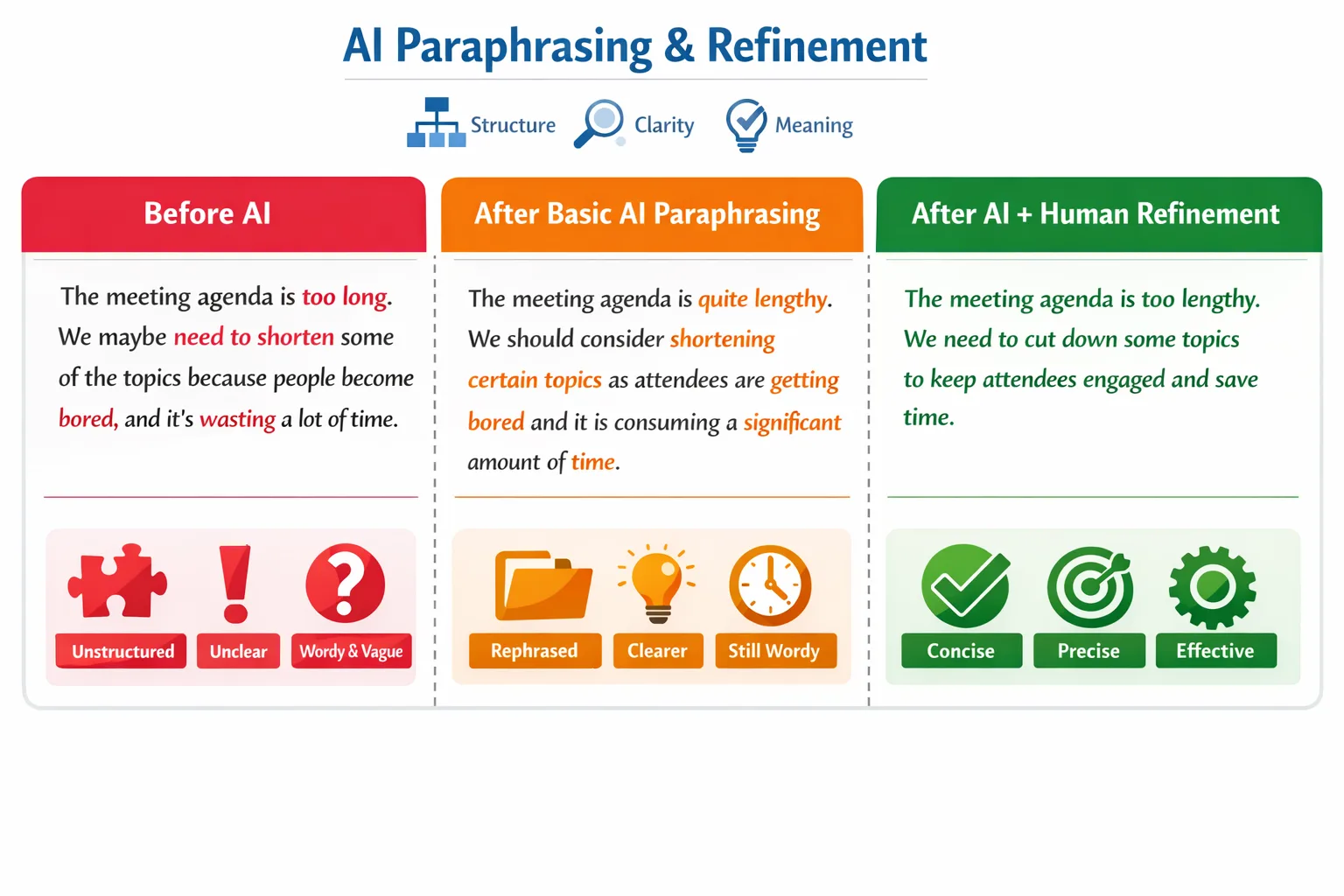
Before & After AI Paraphrasing Examples
Example 1:
Original: “Climate change is a major threat that affects ecosystems globally.”
AI paraphrased (basic): “Climate change is a serious problem impacting ecosystems all over the world.”
Human-refined AI output: “The global impact of climate change poses significant threats to ecosystems, altering biodiversity and environmental stability.”
Example 2:
Original: “The Industrial Revolution significantly altered social and economic structures across Europe.”
AI paraphrased: “The Industrial Revolution greatly changed social and economic structures in Europe.”
Human-refined AI output: “Across Europe, the Industrial Revolution reshaped both social hierarchies and economic practices, leaving lasting impacts on communities.”
Tip: Always review AI output for flow, clarity, and semantic accuracy.
Advanced AI paraphrasing tools help students improve clarity, semantic meaning, and originality.
Frequently Asked Questions (Expanded)
Q1: Can Turnitin detect AI paraphrasing in 2026? A: Yes. Modern detectors analyze writing patterns, not just exact word matches. Surface-level synonym swaps may trigger high AI scores.
Q2: Are there free AI paraphrasing tools for students? A: Yes, most tools offer limited free tiers (QuillBot, Hix.AI, Wordtune). Word counts are capped.
Q3: Which AI paraphrasing tools maintain academic integrity? A: QuillBot and Grammarly (premium) offer built-in plagiarism checks and improve clarity.
Q4: Can AI paraphrasing replace proofreading? A: No. AI helps refine text but cannot replace human judgment in terms of coherence and argument quality.
Q5: Is Undetectable.ai safe for university assignments? A: It is effective for cadence variation but should be used with ethical oversight.
Q6: How can I ethically use AI paraphrasing? A: Use it for clarity, tone, and grammar. Maintain your authorship integrity and document any AI assistance.
Q7: Do non-native English students benefit from AI paraphrasing? A: Yes, tools like QuillBot can enhance fluency, improve vocabulary, and reduce language bias.
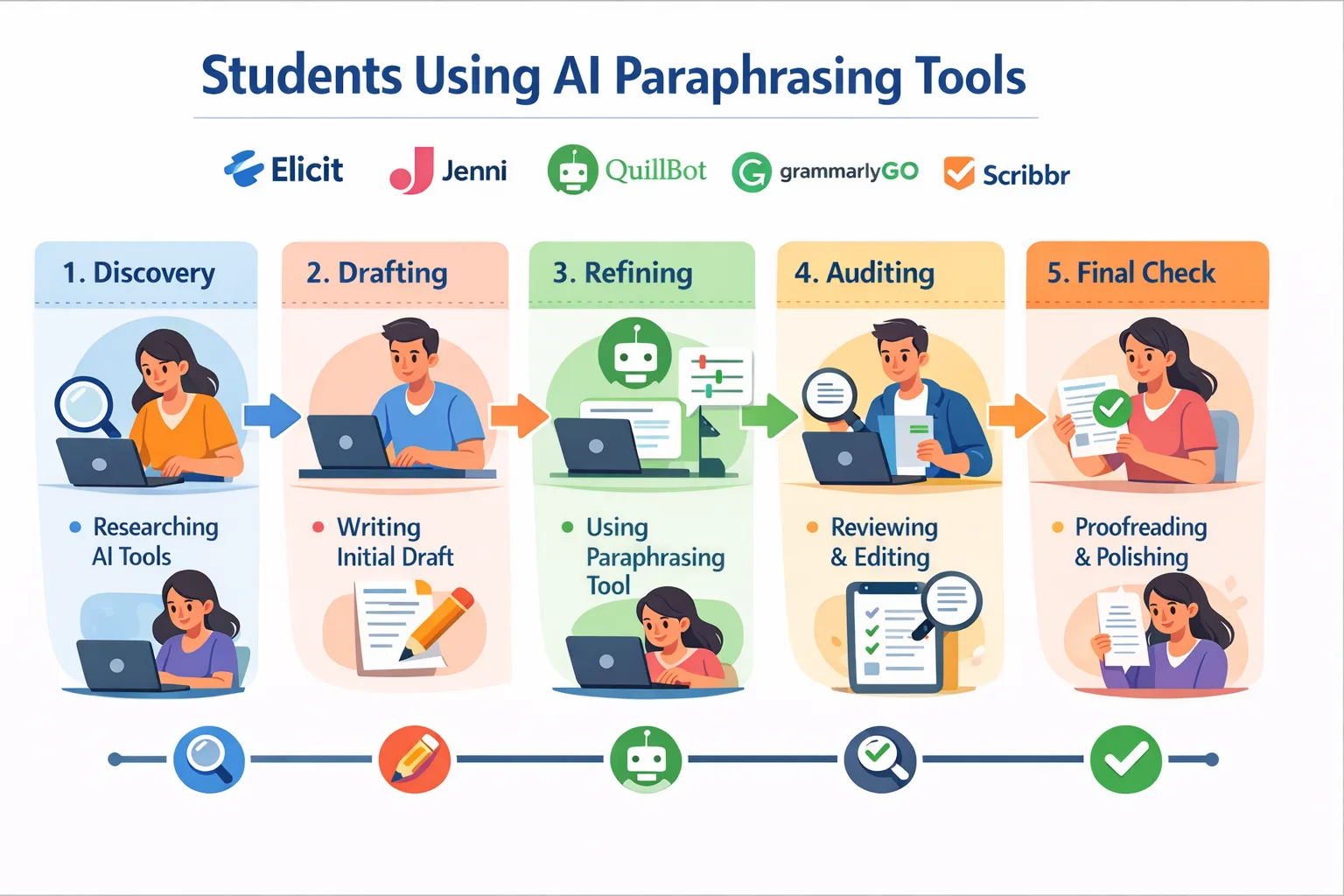
Q8: Should I use multiple AI tools together? A: Yes. A combination workflow (research → drafting → refining → auditing) is most effective.
Q9: How do AI tools handle citations? A: Tools like Jenni.ai manage APA, MLA, and Chicago formats; others like QuillBot require manual verification.
Q10: Can AI paraphrasing tools detect plagiarism? A: Some tools (QuillBot, Scribbr) offer built-in plagiarism checking alongside paraphrasing.
Conclusion & Next Steps
Test one tool at a time; integrate gradually into your workflow.
Always maintain your original voice and arguments.



Leave a Comment
Your email address will not be published. Required fields are marked *
No Comments Yet
Be the first to share your thoughts!